

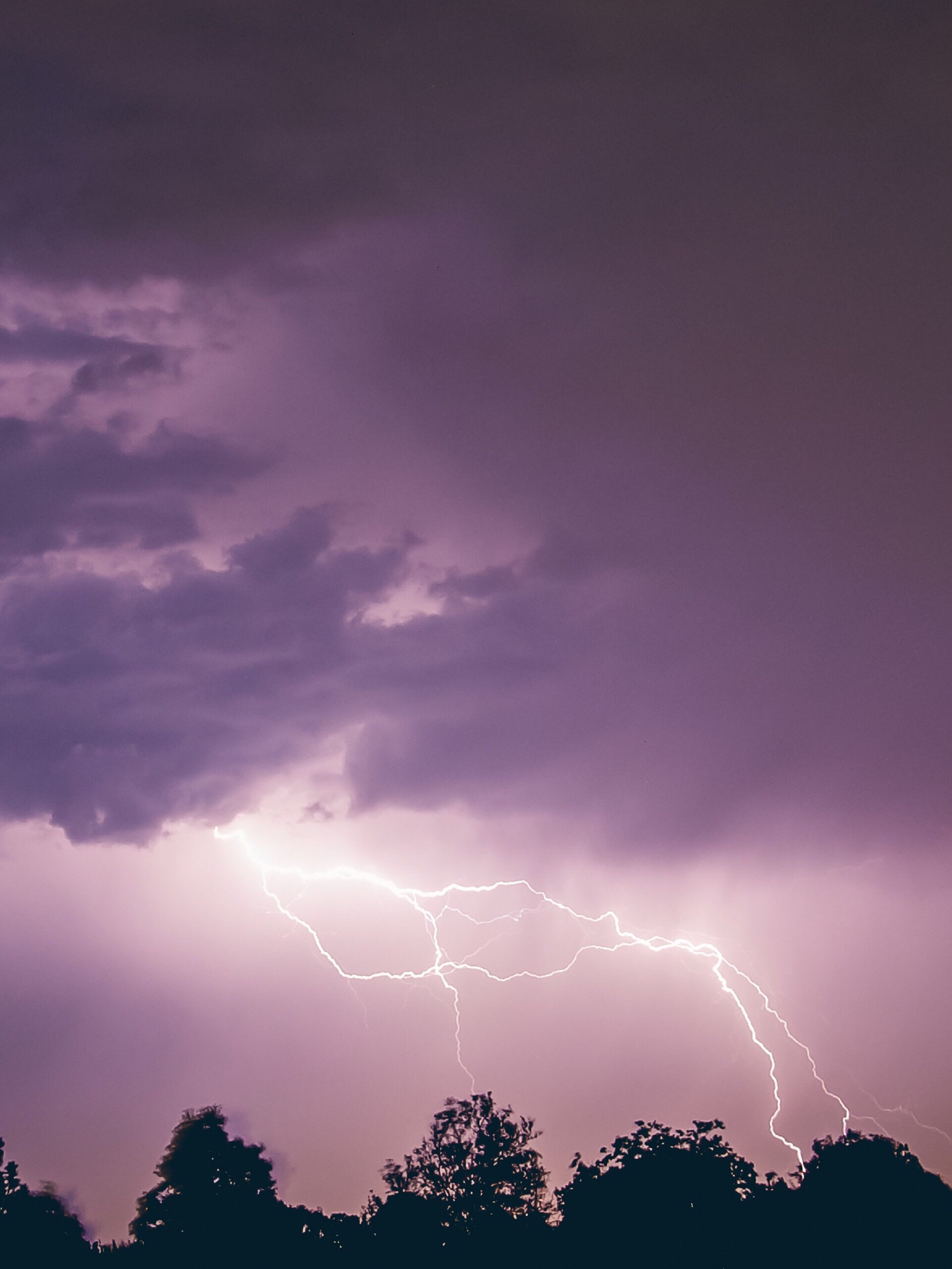

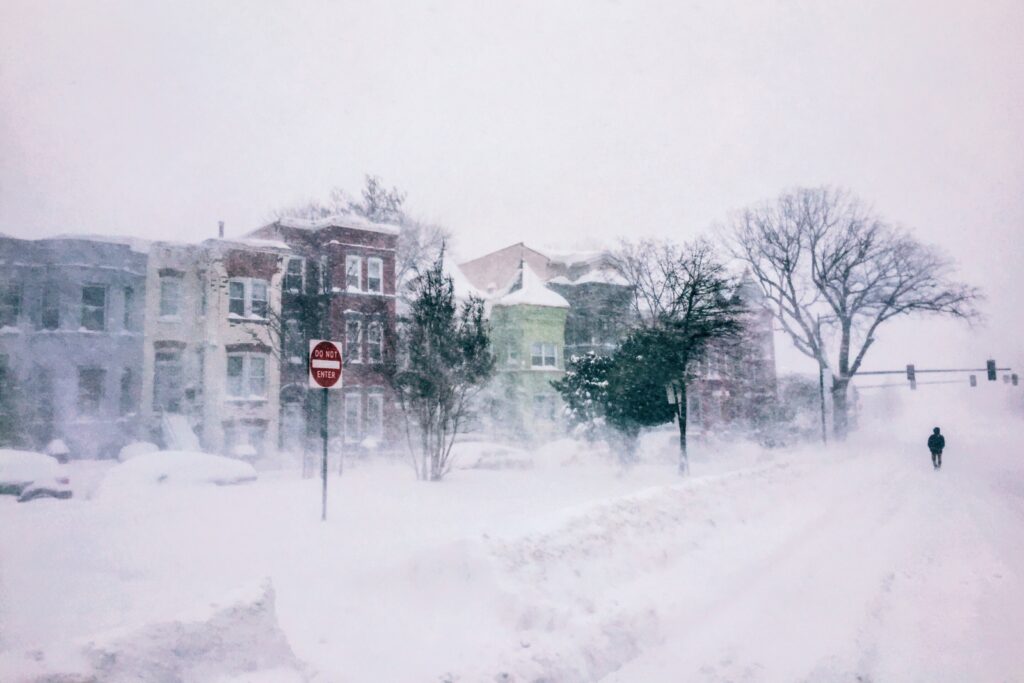

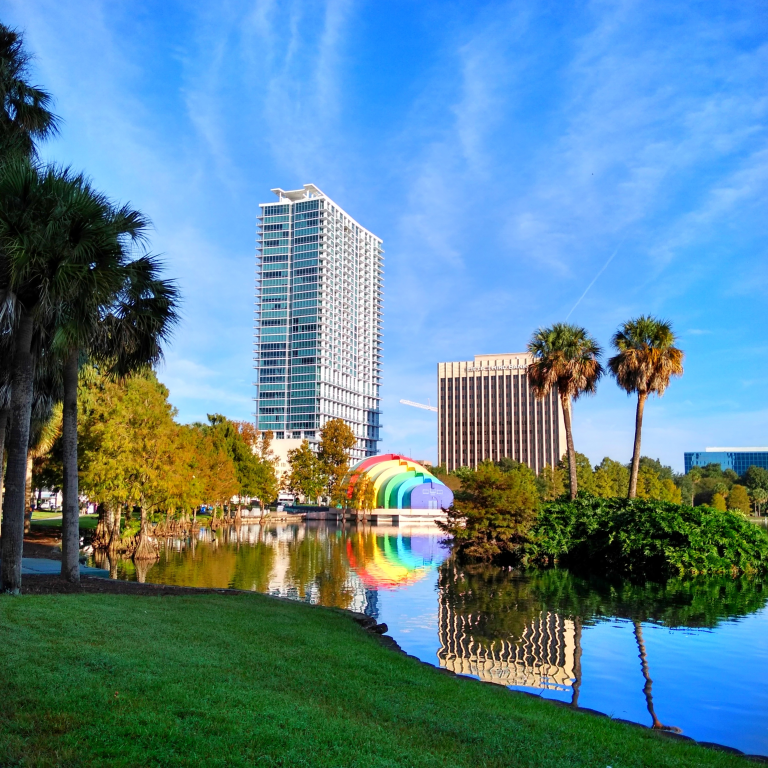

I spent two decades chasing storms across America – from the bitter winters of North Dakota to the lake-effect snow of Buffalo, from the unpredictable Midwest patterns of Detroit to the daily thunderstorms of Central Florida. Every day, I stood in front of cameras and green screens, translating complex atmospheric data into forecasts that tens of thousands relied on. I was good at it. Really good.
What no one saw was me, minutes before that first broadcast in Minot, locked in a bathroom stall, my stomach in knots, fighting waves of nausea. I’d never felt such opposing forces at war within me—terror at the possibility of humiliating myself on live television versus the absolute certainty that if I didn’t walk out of that bathroom and onto that set, I’d be trapped forever. The thought of permanent stagnation terrified me more than temporary failure.
Starting out in market 152, learning to broadcast in one of the coldest, most isolated places in America. I became the first meteorologist on TV in North Dakota, creating “Weather Scouts” and discovering that connection matters more than performance.
Honing my craft in one of the most challenging weather markets in the country, where predictions could change by the hour and accuracy meant everything.
Breaking into the top 20. The career was building real momentum. Recognition, respect, responsibility – everything I thought I wanted was finally coming together.
From the outside, it looked perfect. But inside, a storm was brewing that no radar could detect – one that would eventually sweep away everything I thought I was.
A mentor's simple insight transformed my approach from performing weather to sharing it with a single person in their living room. That shift in perspective allowed me to connect rather than just broadcast. This truth would later take on profound meaning beyond my career, although I couldn't see it at the time.
Being on television in the 90s was a big deal. I had become “part of the family” for thousands of viewers who invited me into their lives every day. The family feeling I had searched for my whole life was being filled in the most amazing way.
But when I was only feeling what was within myself, there was no fulfillment, only an emptiness that I became good at ignoring.
It took many years for me to face that emptiness. Who was “I” outside of my role as a meteorologist? A TV personality? A husband? Father? What was I missing? In 2003, I began a search for the truth – and it unraveled right in front of me, taking me on the scariest journey I have only seen in movies.
As 2003 approached, the gap between my external success and internal emptiness had grown to a painfully deep chasm I could no longer ignore. I’d lie awake at night, staring at the ceiling of my beautiful home, feeling like a stranger to myself. A hollowness had taken residence in my chest, an unnamed yearning that neither professional accolades nor material possessions could touch.
The weather maps I studied daily had become a metaphor for my life—systems moving across surfaces while deeper currents remained invisible. I’d become an expert at predicting atmospheric changes but remained blind to the storm brewing within me.
![]()
The full story of how a career collapse became a consciousness awakening—from the green screen to the meditation cushion, from predicting external storms to navigating the ones within—is told in The Attention Compass.
Discover the “Code Connection,” explore the Reality Check exercise, and learn what happened when the forecaster finally faced the storm he couldn’t predict.